Ines Brooks · 18 September 2026
Navigating Data Migration Pitfalls in Emerging Productivity Platforms
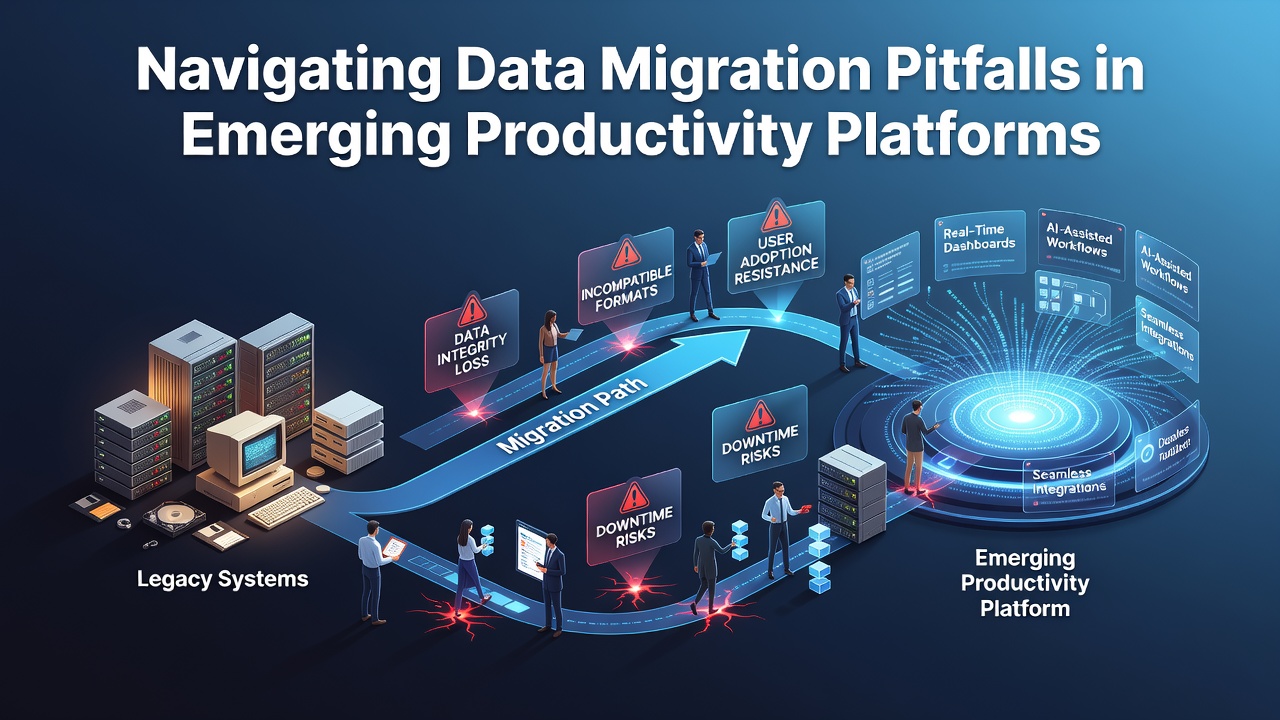
Emerging productivity platforms continue to attract organizations seeking streamlined collaboration tools and automated workflows yet data migration remains one of the most complex steps in any transition. Research from government agencies shows that incomplete planning often leads to data inconsistencies across cloud environments while compatibility gaps between legacy systems and new platforms create downstream errors that surface weeks after go-live. Observers note that companies adopting platforms launched after 2023 frequently encounter schema mismatches when transferring structured task data and unstructured notes simultaneously.
Common Data Loss Scenarios During Transfers
Studies indicate that metadata attached to documents and project timelines gets stripped during bulk exports unless mapping protocols are established in advance. One research project conducted by an Australian academic institution revealed that nearly 40 percent of productivity platform migrations in mid-sized firms lost version history for collaborative files because APIs from older systems failed to export revision timestamps correctly. Teams then spend additional weeks reconstructing timelines manually which delays adoption of new features designed to improve team output.
Security configurations attached to individual records also present risks when moving between platforms with differing permission models. Data shows that role-based access lists sometimes translate into overly broad permissions on the receiving system creating exposure windows that persist until audits occur. Those who have studied these patterns emphasize the need for pre-migration permission inventories that account for both explicit and inherited rights across folders and shared workspaces.
Compliance Requirements Across Regions
Regulatory frameworks continue to influence how organizations approach data transfers in productivity environments. The European Data Protection Board guidelines require documented safeguards when personal information crosses borders during platform switches while Canadian privacy regulations mandate impact assessments before large-scale data movements. Companies operating internationally must reconcile these overlapping rules or face enforcement actions that reference specific articles on data minimization and purpose limitation.
September 2026 brings additional scrutiny as several jurisdictions plan updates to cross-border data flow rules that will affect cloud productivity services. Observers expect these changes to require new audit trails for every data element transferred between platforms making early documentation practices even more relevant for compliance teams.
Technical Compatibility Challenges
Emerging platforms often introduce proprietary data structures that do not align neatly with established formats used by older tools. Researchers discovered that calendar entries containing recurring events and attendee permissions frequently break during import because the new system interprets recurrence rules differently. Similar issues arise with task dependencies where predecessor relationships stored in custom fields lose their connections after migration.
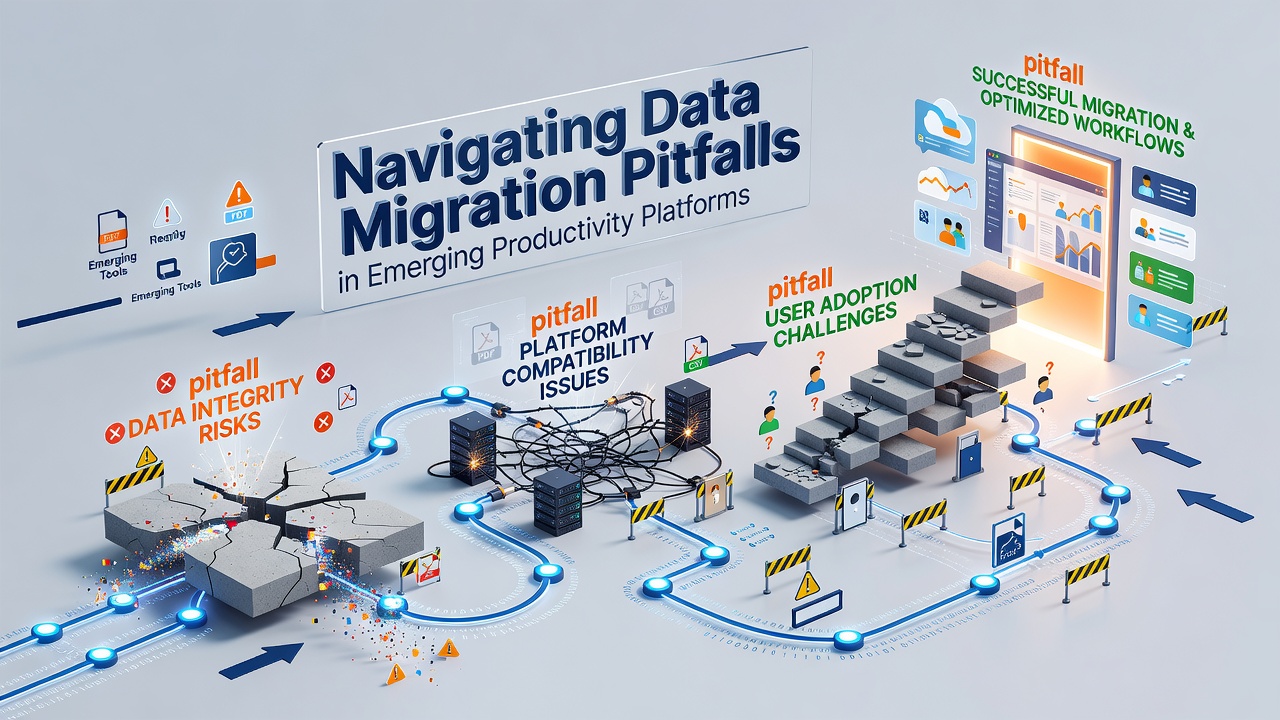
Integration testing conducted after migration reveals these problems only when users attempt to generate reports or trigger automated notifications. Figures from industry reports suggest that organizations allocating less than 25 percent of their migration timeline to validation testing experience higher rates of post-launch support tickets related to broken workflows. Those who've managed multiple transitions recommend running parallel environments for at least two weeks to compare output accuracy before decommissioning legacy systems.
Planning and Validation Approaches
Experts recommend starting with a complete inventory of data types and their dependencies before selecting migration tools. This inventory should include file attachments stored separately from database records because attachment paths often become invalid after the move. Pilot migrations using representative subsets of data allow teams to measure transfer speeds and identify format conversion needs early in the process.
Automated validation scripts that compare record counts and checksums between source and destination systems reduce the chance of silent data loss. According to findings published by the National Institute of Standards and Technology organizations that implement checksum verification during each migration phase report fewer discrepancies than those relying solely on manual spot checks. Continuous monitoring after the initial transfer helps detect gradual corruption that might otherwise remain hidden until critical deadlines approach.
Conclusion
Successful navigation of data migration in emerging productivity platforms depends on thorough preparation structured testing and ongoing compliance awareness. Organizations that treat migration as a one-time event rather than a phased process encounter repeated issues with data integrity and user access. As platforms evolve through 2026 and beyond documented procedures backed by regulatory guidance provide the clearest path to maintaining continuity while adopting new capabilities.